Piercing session — studio reel
In-studio with master piercer Katelyn Cole.
Watch on InstagramReviewed & maintained Reviewed by Joshua Cole, Tattoo Artist · Last updated: June 2026 Expert section label: Joshua's Studio Notes
Skin science · Skin layers — where ink livesThe epidermis is the thin, constantly renewing layer you see and touch. Tattoo needles pass through it on the way to the dermis — and understanding that turnover explains peeling, why surface ink washes away, and why aftercare protects more than the art itself.
Real ear piercing work from our studio — not stock photos. Starter length, swelling room, downsizing, and healed angles documented in Vegas.

Placement and angle marked for your anatomy — implant-grade starter jewelry sized for swelling.

Fresh cartilage or lobe — implant-grade studs with extra post length for swelling.

Around 6–8 weeks swelling drops — this is when downsizing protects the angle and prevents bumps.

Downsize to a shorter post or swap ends once the fistula is stable — booked as a check-in, not a mall kiosk.
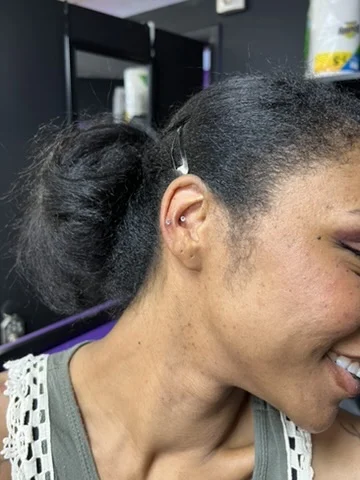
Flat and conch starters sit long on purpose — shortening too soon causes embedding and bumps.
Photos from Work of Art clients — angles and jewelry length vary by anatomy. Studio gallery · Katelyn's portfolio
Yes. Peeling is the epidermis shedding damaged surface cells. Do not pick — let it flake off naturally.
The most saturated cells peeled away. Color in the dermis re-emerges as the new epidermis matures over several weeks.
Gentle exfoliation on fully healed skin is fine occasionally. Avoid aggressive scrubs on fine line or light color until the piece is months settled.
Joshua Cole tattoos at Work of Art on E. Tropicana — seven nights a week. Bring questions about your skin; we plan sessions around honest heal expectations.

Fine grey transitions around the hourglass glass — the kind of piece that fails if values are too soft on day one.